
[ultimatemember form_id=3702]
2. Health and safety
This unit is designed to provide you with some insights into the mental and physical demands of the job as a professional truck driver. A big part of truck driver safety has less to do with the vehicle and more to do with the driver. This unit shows you the importance of adopting a healthy lifestyle, protecting yourself, maintaining good health and ensuring your safety so you can be rested, alert and focused behind the wheel.
This unit will help you learn to:
• Be “fit for work,” maintain a healthy lifestyle and balance personal and work life.
• Manage fatigue and stress.
• Understand worker obligations, rights and responsibilities, and employment health and safety requirements.
• Identify common workplace hazards.
• Avoid impaired or distracted driving.
• Participate in a workplace in which everyone feels secure and free of unnecessary conflict.
Truck drivers play a vital role in Canada’s economy, but they also work in conditions that present unique health and safety challenges — 75 percent or more of their day is spent driving and about 10 percent of their day is spent conducting vehicle inspections.
Driving professionally requires you to:
• Climb in and out of your tractor cab and in or on to your trailer
• Sit for long hours
• Be able to react quickly
• See details of objects that are close and recognize objects that are far away
• Determine the distance between objects
• Hear sounds and recognize the difference between them
• See objects in very low light
• Notice objects or movements that are off to the side (peripheral vision)
• Communicate effectively
• Stay alert to manoeuvre the truck while loading, transporting and unloading cargo
A few of the most commonly performed actions requiring physical strength include:
• Pushing and pulling: Up/down and two handed
• Lifting and lowering: Weight up to 24 kg (53 lb)
• Carrying: Weight up to 24 kg (53 lb) between 1.5 m (5 ft) and 6 m (20 ft)
• Occasionally walking, climbing, crouching/squatting, neck movements, reaching, elbow movements and wrist movements
Why might life on the road make it difficult to stay healthy?
A research project between the University of Northern British Columbia, University of Saskatchewan, University of Waterloo, Transport Canada, Safety Driven, the Trucking Safety Council of B.C. and WorkSafeBC was performed to better understand factors that impact drivers’ health, safety and wellness.
Research confirmed that a truck driver’s job involves:
• Irregular, long hours
• Exposure to prolonged seated vibration
• Unhealthy dietary patterns
• Physical inactivity
Pilot results from the research project show truck drivers in B.C. and Canada face risk factors related to:
• Stress
• High blood pressure
• Diabetes
• Whole body vibration (WBV)
• Ergonomics
• Falls
• Poor diet
• Lack of exercise
• Sleep apnea
• Tobacco use
• Fatigue
• Distraction
• Drugs and/or alcohol use
• Exposure
• Chemical hazards
• Physical demands
• Workplace violence
• Safety on the road
Key statistics
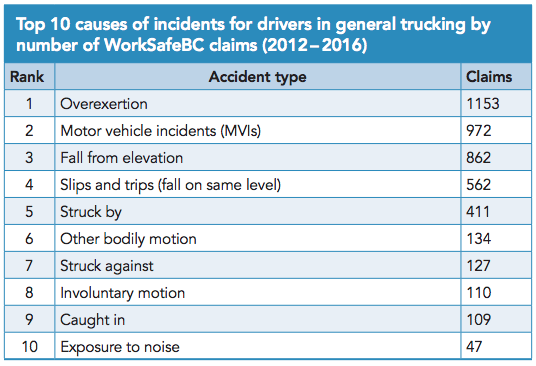
The table below shows WorkSafeBC data from 2012 to 2016 listing the top 10 workplace incident causes for drivers employed in general trucking. Based on the number of claims, overexertion was the number one cause of incidents among drivers. Raising and lowering landing gear, securing loads as well as moving heavy boxes are examples of tasks that may cause overexertion injuries.
Professional drivers face stressors that are unique to life on the road. It takes a conscious effort and deliberate planning to maintain good health and live a well-balanced life. The stress that professional drivers face comes from many sources. They work extremely long days and are required to meet tight schedules and stay alert for many hours per day.
Other stress factors might include:
• Long working hours
• Night work
• Spending extended periods on the road away from friends and family
• Pressure to stay on schedule even when road conditions are bad or when they are fatigued
• Delivering or picking up loads can be unpredictable (long waits for example)
• Being treated disrespectfully by shipping and receiving personnel
• Road and/or weather conditions
• Difficulty communicating with and maintaining family relationships
You are probably experiencing stress if you answer yes to more than one of the following questions:
• Are you often tense or unable to relax during down times?
• Do minor frustrations cause you to become really angry?
• Do you worry to the point that sometimes you can’t sleep?
• Are you under pressure?
• Do you feel tired and experience persistent unexplained pain?
Stress can lead to depression and fatigue which are both dangerous conditions for the professional driver. Learn to recognize the signs of stress in your own
life. When you realize that it’s interfering with your ability to perform well at work and to live fully away from work, be sure to seek help. Talk to family and friends and seek the advice of a doctor.
Signs of stress
Your body may tell you that you’re suffering stress if you experience:
• Fatigue
• Grinding of teeth
• Chest pain
• Twitches
• Blackouts
• Muscle tremors
• Nausea
• Rapid heart rate
• Dizziness
• Headache
• Vomiting
• Profuse sweating
• Difficulty breathing
• Diarrhea
Your emotions may signal that you’re suffering stress if you experience:
• Anxiety
• Fear
• Anger
• Uncertainty
• Severe panic
• Depression
• Irritability
• Guilt
• Denial
• Negative thoughts
Your actions may tell you that you’re suffering stress if you experience:
• Withdrawal
• Anti-social acts
• Emotional outbursts
• Inability to rest
• Substance abuse
• Change in activity
• Pacing
• Suspicion
Ways to reduce stress
Take care of your body
There are many ways to reduce or manage the amount of stress in your life and to prevent some of the symptoms listed. The first is to keep your body healthy.
Sitting for long periods of time puts stress on your body and the inactivity can make you susceptible to stress. Your body produces extra glucose and adrenaline when you’re stressed and if you don’t burn them up through physical activity, you may experience some of the physical signs of stress. When stopped to do your en route inspections, take the opportunity to stretch and do some light exercise like jumping jacks to help keep you alert. Try to get 30 minutes of physical activity at least three times a week and make sure you eat well. Doing so will reduce the sensations of stress and help you to sleep better.
Take care of your emotions
One of the biggest challenges drivers face is balancing home and work. To do this effectively, you need to be organized and make balance in your life a priority. Plan specific times when you’re at home to spend with family and friends. Make a list of all of the chores you have to get done at home and make a realistic schedule for completing them.
Maintain a good attitude by focusing on the positives. One way to do this is by spending your leisure time on hobbies, getting exercise and other activities to distract you from worries. Another technique is to look forward and focus on the present rather than worrying about issues or mistakes in the past. Confide in a trusted friend or a professional when needed. Generally, keeping things bottled up inside increases the stress you experience. Find someone you can share your feelings with. Ask for help when you feel overwhelmed, or better yet, before you get overwhelmed.
Use relaxation techniques like breathing exercises and meditation when you feel tense.
Keep your mind off of worries and reduce the sense of isolation by humanizing your trip — keep the radio on, communicate with other drivers, listen to
audiobooks and podcasts or learn a new language when you’re on the road — as long as it doesn’t distract you from your driving.
Time management techniques
One of the most significant causes of stress is the pressure you feel when you can’t meet deadlines, or when you can’t accomplish everything you need to get done in a specific timeframe either at work or at home. Using time management techniques is important — they can help you manage multiple priorities. It takes effort to really apply these techniques; but using them will pay off in the end.
1. Set goals and establish priorities. When do you really need to have something completed? Identify the things that are necessary or essential, like stopping for fuel. Then determine the level of importance of the other tasks you have to accomplish. Which will help you to get the furthest and help you to achieve a goal? Do the important ones first and the less important ones later. Also consider your personal priorities: Is getting enough sleep your top priority now? If so, factor it into your prioritizing.
2. Remember the 80–20 rule. Time management studies have shown that 80 percent of our rewards (accomplishments, earnings and successes) come from 20 percent of our effort. Make sure that you’re giving your attention to the 20 percent of the tasks that are truly going to pay off in productivity.
3. Break tasks down into steps. Some tasks may seem overwhelming at first but if you break them down into steps and just focus on completing one step at a time, you’ll be surprised at how easily you accomplish the whole thing. Apply this principle to things like trip planning: There is the whole trip to plan, but there is also the daily trip or the specific stop on a given run that you can plan on its own.
4. Eliminate clutter. Keeping your things organized and knowing where to find tools, personal items and important papers will save time that might be wasted while looking for things.
5. Fill waiting times with productivity. If you find yourself waiting at a border crossing or other barrier, use the time to calculate expenses, catch up on your reading, sleep, walk, clean your truck or complete other important tasks. This will help reduce frustration and stress as well as pass the time.
6. Use a schedule. Keeping track of all your tasks can be a drain on your mental energy. By using planning tools such as a to do list, a calendar or an app to schedule your activities, you’ll do better work and stay focused.
7. Observe your behaviour. Where does your free time go? Who or what do you give the most time to? Keep track for a couple of weeks — you may be surprised at where your time goes. You can begin to prioritize and schedule more effectively when you’re aware of your own habits.
Implementing strategies to manage your time can help to reduce frustration and give you greater peace of mind. You can eliminate some of the guilt you feel about things you haven’t completed yet when you know that you’ve done the important things and you have a plan for dealing with the less important ones. Often taking control of your time allows you to experience a higher energy level because you are worrying less.
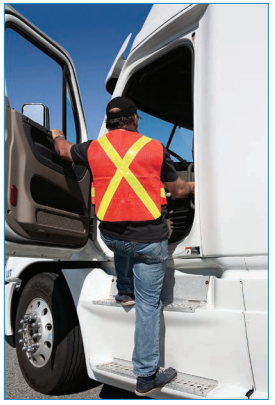
According to WorkSafeBC, falls from height are the third leading cause of truck driver injuries, following overexertion and motor vehicle incidents.
Most falls occur when the driver:
• Exits or enters the cab (37 percent)
• Conducts vehicle inspections, maintenance and repairs (18 percent)
• Unloads cargo (14 percent)
Drivers most often fall from the cab steps, followed by falls from freight trailers and flatbed decks. Always wear suitable safety footwear with good support and slip-resistant soles and always use three points of contact when climbing into or out of the truck. This means three of your four limbs remain in contact with the vehicle at all times. Sideways movement should be avoided since it creates an imbalance of weight distribution.
At a workplace, everyone has varying levels of responsibility for workplace health and safety. You should know and understand your responsibilities and those of others. As a worker, you have three key rights.
Your rights:
• The right to know about hazards in the workplace.
• The right to participate in health and safety activities in the workplace.
• The right to refuse unsafe work.*
*By law, employers are prohibited from penalizing workers for raising a health and safety issue. You can learn more about the actions workers can take if they feel this has occurred at WorkSafeBC.com.
Your responsibilities
As a worker, you play an important role in making sure you and your fellow
workers stay healthy and safe on the job. As a worker, you must:
• Be alert to hazards. Report them immediately to your supervisor or employer.
• Follow safe work procedures and act safely in the workplace at all times.
• Properly use the protective clothing, devices and equipment provided.
• Cooperate with joint occupational health and safety committees, worker health and safety representatives, WorkSafeBC prevention officers, and anybody with health and safety duties.
• Get treatment quickly should an injury happen on the job, and tell the healthcare provider that the injury is work-related.
• Follow the treatment advice of healthcare providers.
• Return to work safely after an injury by modifying your duties and not immediately starting with your full, regular responsibilities.
• Never work under the influence of alcohol, drugs or any other substance, or if you’re overly tired.
Professional drivers are often away from home for several weeks at a time without the luxury of fresh groceries and a full kitchen — it can be difficult to prepare healthy meals. Many drivers are tempted to stop at a diner, truck stop or fast food restaurant because it’s quick and convenient. However, many of these meal options provide large portions that are often higher in calories, fat and sodium. Overeating or eating a less balanced diet can contribute to being overweight and to general fatigue.
Obesity can lead to a number of chronic diseases (like diabetes, stroke and heart disease). Avoid the risk of these diseases by developing or maintaining good eating habits. Start by reducing the size of your food portions. Eat smaller meals regularly — having just one or two larger meals a day is not healthy and actually promotes weight gain. Eating many small meals a day provides your body with a steady fuel supply. Avoid high calorie foods and eat your biggest meal earlier in the day.
Calorie counting
An average woman needs to eat about 2,000 calories per day to maintain weight, and 1,500 calories to lose one pound of weight per week. An average man needs 2,500 calories to maintain weight and 2,000 to lose one pound of weight per week. However, this depends on numerous factors like age, height, current weight, activity levels, metabolic health and several others. Use a calorie counter for a few days, to see how many calories, carbs, protein, fat, fibre, vitamins and minerals you’re eating. There are many apps available to help you track calorie consumption.
Tips for healthy eating
Eat breakfast and smaller meals
According to Canada’s food guide, eating breakfast and smaller, more frequent meals increases your blood sugar which gives you energy throughout the day.
Snack on healthy foods
• Hummus and veggies
• Hard boiled eggs
• Dried fruit
• Nuts and seeds
• Jerky
• Cheese (not processed)
• Dark chocolate
• Yogurt
• Whole-grain crackers
• Lightly salted popcorn
• Energy bars
• Whole fruit
Eat more salads and leafy greens
Adding leafy greens to your diet two times per day will increase your focus on the road. Leafy greens are a good source of vitamin K which prevents certain age-related conditions. They also help lower cholesterol and preserve your vision. Try to cover at least half your plate with vegetables when stopping for meals.
Drink a lot of water
Not drinking enough water can affect a driver’s alertness. You should drink at least two litres (64 ounces) of water per day to ensure your body is functioning to its full potential.
Limit caffeine
Caffeine may help drivers stay awake, but consuming too much caffeine isn’t good for anyone. A regular cup of coffee contains about 100 mg. According to Health Canada, adults shouldn’t consume more than 400 mg of caffeine per day.
Caffeine can:
• Cause anxiety and tremors
• Increase aggressiveness
• Delay the onset of fatigue
• Decrease the pain perception threshold, which increases the risk of injury
• Promote dehydration
• Cause gastric problems
• Promote heart problems
• Cause poor sleep
Avoid sugary drinks like juice, pop and energy drinks
Energy drinks supply mental and physical stimulation for a short period of time. They contain caffeine, taurine (an amino acid that acts as a cardiac stimulant) and vitamins. An energy drink can contain 50 to 505 mg of caffeine. Energy drinks can cause the same problems as caffeine.
For more information about eating right visit Canada’s food guide at
https://food-guide.canada.ca/en.
Many drivers say they’re too busy to exercise. However, simple exercises can easily be performed for 20−30 minutes every day. There are many benefits of regular exercise — exercise and getting or staying fit helps both your mind and body and helps combat weight gain and certain conditions and diseases like heart disease and high blood pressure. Before engaging in any physical exercise, be sure to consult your doctor or physician.
Exercises you can do around your truck:
• Walking 20 times around your truck and trailer equals one kilometer.
• Park farther away from the truck stop when stopping to eat.
• If you’re interested in more of a strength-training approach to fitness, pushups, squats and lunges can be performed without the need for equipment.
• There are many different programs and apps available to teach and track exercise.
Exercises while driving:
• Try abdominal crunches. Squeeze your abs and hold for the length of a song — or at least two minutes and repeat this at every red light.
• Do shoulder shrugs. This is a great relief of tension that can build up around your neck. Lift your shoulders up to your ears, and hold them there for a few seconds, then slowly release. Do this 15 times in a row whenever you feel tension building in that area of your body.
There are many tips and videos available online to help with keeping fit and exercising while on the road, many specific to professional drivers. Take a look for more ideas and find something that works best for you.
Log your physical activity
Log your physical exercise for one week. This can be done simply with pen and paper, or by using one of the many fitness apps available. Once you’ve determined your starting point, aim to increase your active minutes each week.
Ergonomics is the science of designing systems to optimize human performance. Ergonomics relating to vehicle design can include things like visibility from the vehicle, design and placement of controls and displays and vehicle noise and vibration. Ergonomics are factored into most vehicle designs today.
Discomfort, foot cramps, stiff neck, sore shoulders and lower back pain are frequent complaints reported by drivers. These symptoms are a result of poor posture, stress, tension and staying in one position for an extended period.
Poor posture can result from personal driving habits, or from an improperly adjusted or fitted seat. The shape of the seat may put pressure on selected parts of the legs, back and buttocks. This contact can lead to pain or discomfort at pressure points and may affect blood flow to the legs and feet.
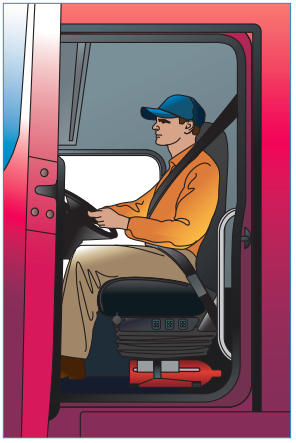
Some tips to prevent discomfort when sitting for long periods include:
• Empty your back pockets before you drive so your back isn’t tilted to one side.
• Don’t slump in your seat.
• Use a lumbar support, cushion or rolled towel to support your lower back.
• Change the seat position a few degrees every 20 or 30 minutes.
• Adjust your seat so you’re sitting fairly upright. This puts less strain on your back.
• The steering wheel should be positioned so that you don’t have to move your shoulders away from the seat to reach it.
• Adjust your seat so that your knees are at the same height or slightly lower than your hips
• Take breaks. Get out of the truck to stand, stretch and walk. This helps to circulate the blood in your legs and give a much needed rest to the muscles needed to sit. It only takes five minutes every hour.
• Stay fit. Maintaining strong abdominal muscles will support your back and reduce the likelihood of back pain.
Whole body vibration
Long-haul truck drivers are likely to be exposed to continuous whole body vibration (WBV) for prolonged periods of time. Laboratory studies have shown that exposure to WBV increases physical and mental fatigue. Seats with active suspension systems transmit significantly less vibration than standard air-suspension seats and can significantly decrease the pain and discomfort caused by WBV.
Smoking doubles your risk of getting heart disease, increases your risk of getting lung cancer and can triple your risk of a stroke according to research from the University of Waterloo (Wawzonek, Peter Aaron. “In Danger?
An Exploration of Canadian Truck Drivers’ Health through the Canadian Community Health Survey.” Waterloo, Ontario, Canada, 2015). It damages nearly every organ of your body. But the good news is that as soon as you stub out your last cigarette, your body will start healing itself.
Quitting can be especially hard for truckers who rely on the nicotine to stay awake and remain focused. Because of challenging work schedules, they also often lack the constant support network of family and friends. Regardless of the challenges, hundreds of truckers quit smoking every year.
Here are some tips on quitting according to SafetyDriven Trucking Safety Council of BC:
• Make a list of all the reasons why you want to quit.
• Replace cigarettes or vaping with healthy snacks. Fresh fruit, carrots, granola bars and nuts are healthy sources of nutrition that will help your body heal and keep your fingers busy doing something else.
• Avoid alcohol or other triggers. Alcohol and coffee are strong triggers for nicotine and can make the urge to smoke unbearable. Try hot tea and drink plenty of fresh water instead.
• Take it one day at a time and focus on your small victories.
• Treat yourself to something for all your hard work.
• Put away all the money you save in a jar. Each time you know you would have been buying a pack, put that money aside. As the money piles up, you’ll realize how hard the habit was on your wallet.
Some tips to prevent discomfort when sitting for long periods include:
• Empty your back pockets before you drive so your back isn’t tilted to one side.
• Don’t slump in your seat.
• Use a lumbar support, cushion or rolled towel to support your lower back.
• Change the seat position a few degrees every 20 or 30 minutes.
• Adjust your seat so you’re sitting fairly upright. This puts less strain on your back.
• The steering wheel should be positioned so that you don’t have to move your shoulders away from the seat to reach it.
• Adjust your seat so that your knees are at the same height or slightly lower than your hips
• Take breaks. Get out of the truck to stand, stretch and walk. This helps to circulate the blood in your legs and give a much needed rest to the muscles needed to sit. It only takes five minutes every hour.
• Stay fit. Maintaining strong abdominal muscles will support your back and reduce the likelihood of back pain.
Whole body vibration
Long-haul truck drivers are likely to be exposed to continuous whole body vibration (WBV) for prolonged periods of time. Laboratory studies have shown that exposure to WBV increases physical and mental fatigue. Seats with active suspension systems transmit significantly less vibration than standard air-suspension seats and can significantly decrease the pain and discomfort caused by WBV.
Aside from any required Dangerous Goods Training, all drivers need to be aware of hazardous chemicals they can encounter on a daily basis as part of the job. These can include things like fumes, battery acid and oil. Many companies require drivers to wear extra personal protective equipment whenever they’re outside of the truck or performing certain tasks.
Workplace Hazardous Materials Information Systems
Employers are required to provide information and training to workers about any hazardous substances they will encounter. Information is provided through Hazard Symbols (SDS) and labels. The information sheets for each hazard include safe handling and storage, regulatory and usage information and what to do in an emergency.
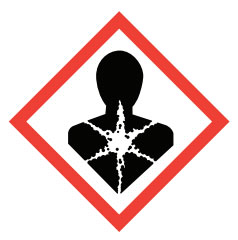
As an example, this health hazard pictogram is used for the following classes: carcinogenicity, respiratory or skin sensitization, reproductive toxicity, specific target organ toxicity, germ cell mutagenicity, aspiration hazard.
Carbon monoxide
Carbon monoxide poisoning is an ever-present danger when you operate a motor vehicle. It can seep into a driving compartment and make you dizzy or drowsy. Too much of it will make you pass out, which will almost inevitably result in a crash if you’re driving. It can kill you.
Carbon monoxide is especially dangerous because it’s odourless, colourless, tasteless and difficult to detect. It’s in the exhaust of every motor vehicle. Because it’s so difficult to tell when it’s present, always check your exhaust system to ensure that exhaust fumes aren’t entering the driver’s compartment of your vehicle.
Never run your engine in an enclosed area without proper venting. Don’t follow any vehicle too closely, and maintain a safe distance between your vehicle and the one in front of you when you’re stopped at traffic lights or stop signs. If you feel dizzy or drowsy while driving, pull over to the side of the road, get out and get plenty of fresh air. Chronic exposure to lower levels of carbon monoxide may also cause persistent headaches, depression, confusion, lightheadedness, memory loss, nausea, hearing disorders and vomiting.
Driver fatigue has been recognized as a critical problem for drivers and the trucking industry. The Federal Motor Carrier Safety Administration (FMCSA) estimates that 15 percent of large truck crashes involving death or serious injury are due to driver fatigue. In 2015, ABC News reported that lack of sleep may be responsible for 72,000 crashes a year, 30,000 injuries, and more than 700 deaths in North America.
Police statistics show that in a given year, at least 29 people were killed and 890 people were injured in B.C. as a result of fatigue-related motor vehicle crashes. Even more frightening, are the number of people who admit to falling asleep behind the wheel. A poll conducted by the Canadian Traffic Injury Research Foundation found that 20 percent of Canadians admitted to dozing off while driving.
Safe vehicle operation requires sustained vigilance, excellent judgment and quick reactions, particularly during heavy traffic or poor driving conditions. Driver fatigue impairs all of these abilities, endangering not only truck drivers, but also others who share the road with them.
In Canada, you can drive a commercial vehicle under the National Safety Code up to 13 hours a day, but it’s recommended not to drive for more than two hours without stopping for a break.
When you’re fatigued, your eyes move more slowly, it takes you longer to process information, you have moments when you are not paying attention and you may drift in and out of lanes on the road. Fatigued drivers have been shown to need more time to make a coordinated movement. Their hands are less steady and their ability to see (particularly in glare or flickering light) is significantly reduced. It takes them longer to brake and their steering is less accurate.
A common cause of fatigue among truck drivers is not getting enough sleep. Lack of sleep could be from medical problems such as sleep apnea, and it also can stem from employment conditions including:
• Long work hours
• Work-related stress
• Shift work or an irregular work schedule that forces drivers to sleep during the day, in opposition to the natural body rhythm of sleeping at night
• Sleeper berths that do not provide optimal sleeping conditions
• Fragmented sleep while awaiting notification of the availability of the next load
Warning signs of driver fatigue
Studies of typical human sleeping and alertness patterns (known as circadian rhythms) show that there are predictable low points at which drivers are most prone to falling asleep at the wheel — between 2 a.m. and 6 a.m. and at about 4 p.m. Knowing the risk is high at these times, you can take special steps to avoid drowsiness. Be sure to recognize the signs of your own fatigue.
Typical signs include:
• Yawning excessively
• Unintentionally varying your speed
• Inability to keep eyes focused and head up
• Having wandering, disconnected thoughts
• Driving the past few kilometres without remembering them
• Drifting between lanes, tailgating or missing traffic signs
• Noticing a vehicle in the rear-view mirror that seemed to appear out of nowhere
Microsleep
Microsleep is a temporary episode of sleep or drowsiness that can last from one to 30 seconds. It can manifest as droopy eyes, slow eyelid-closure and head nodding. They most often occur as a result of sleep deprivation but can also occur during monotonous tasks.
Microsleep becomes extremely dangerous in situations where constant alertness is needed, such as driving a vehicle or operating heavy machinery. People who experience microsleep are often unaware of it and shrug it off as having lost focus temporarily. By paying attention to your fatigue level, being honest with yourself and allowing yourself adequate rest or breaks you should be able to avoid microsleep.
Sleep debt
Sleep debt is the most common contributing factor of mental and physical fatigue. Sleep debt is the cumulative effect of not getting enough sleep. It’s often ignored but can produce a decline in performance such as slower reaction times, failure to respond to changes and the inability to concentrate and make reasonable judgments.
Researchers say lack of sleep is connected to cardiovascular disease, hypertension and high blood pressure. It also compromises the immune system, contributes to obesity and severely impairs mental judgment. Lack of sleep can make dieting more difficult too: Studies show that when you’re sleep deprived, your body actually boosts production of the hormone that makes you hungry.
Catching up sleep does not reverse sleep debt. A healthy lifestyle includes healthy sleep habits. Remember that sleep is just as important for your health as diet and exercise.
Obstructive sleep apnea (OSA)
Sleep apnea is a common cause of drowsy driving. It’s a condition in which you repeatedly stop breathing or have shallow breaths while you sleep. When this happens, you may snore loudly or make choking noises as you try to breathe. Your brain and body become oxygen-deprived and you may wake up. This may happen a few times a night, or in more severe cases, hundreds of times during the night.
According to the American Academy of Sleep Medicine, drivers with sleep apnea are up to 2.5 times more likely to be involved in a motor vehicle crash, compared with a control group of other drivers. This risk was reduced by 70 percent among sleep apnea patients who used continuous positive airway pressure (CPAP) therapy.
Major risk factors for sleep apnea include obesity, high blood pressure, having a large neck circumference and daytime sleepiness. The diagnosis of sleep apnea usually is confirmed with an overnight sleep test. In many cases, testing can be performed in a patient’s own home without the need to go to the hospital.
When drivers with sleep apnea are adequately treated, it reduces daytime sleepiness, and improves overall concentration and awareness. It also can reduce blood pressure and decrease a driver’s overall risk of having a heart attack or stroke. Many employers are starting to offer routine sleep apnea screening for their employees to help reduce accident risk and improve overall worker health.
Workplace Hazardous Materials Information Systems
Employers are required to provide information and training to workers about any hazardous substances they will encounter. Information is provided through Hazard Symbols (SDS) and labels. The information sheets for each hazard include safe handling and storage, regulatory and usage information and what to do in an emergency.
As an example, this health hazard pictogram is used for the following classes: carcinogenicity, respiratory or skin sensitization, reproductive toxicity, specific target organ toxicity, germ cell mutagenicity, aspiration hazard.
Carbon monoxide
Carbon monoxide poisoning is an ever-present danger when you operate a motor vehicle. It can seep into a driving compartment and make you dizzy or drowsy. Too much of it will make you pass out, which will almost inevitably result in a crash if you’re driving. It can kill you.
Carbon monoxide is especially dangerous because it’s odourless, colourless, tasteless and difficult to detect. It’s in the exhaust of every motor vehicle. Because it’s so difficult to tell when it’s present, always check your exhaust system to ensure that exhaust fumes aren’t entering the driver’s compartment of your vehicle.
Never run your engine in an enclosed area without proper venting. Don’t follow any vehicle too closely, and maintain a safe distance between your vehicle and the one in front of you when you’re stopped at traffic lights or stop signs. If you feel dizzy or drowsy while driving, pull over to the side of the road, get out and get plenty of fresh air. Chronic exposure to lower levels of carbon monoxide may also cause persistent headaches, depression, confusion, lightheadedness, memory loss, nausea, hearing disorders and vomiting.
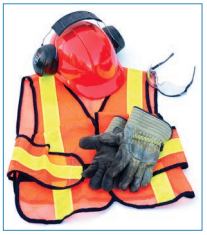
It’s important to dress for protection and safety.
• Wear sturdy work boots or shoes instead of sandals.
• Always wear a bright and reflective safety vest or other clothing when outside the truck.
• Carry a hard hat and safety glasses for yards where wearing them is required.
• Wear gloves when working around, under or on the truck.
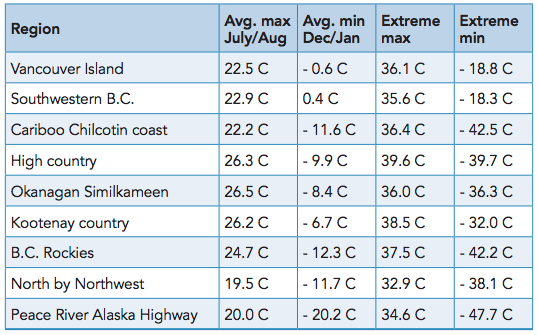
• Dress for the weather and the variance in conditions around the province. The following chart shows temperatures across the province at various times of the year.
There are three kinds of distraction:
1. Visual: Something that takes your eyes off the road like display screens in the cab, something moving at the roadside, billboards or scenery.
2. Manual: Something that results in your hands being off the wheel like eating or adjusting controls.
3. Cognitive: Something that takes your mind off what you are doing like talking to someone, listening to music or thinking about something. Being alert and managing distractions is important in preventing crashes. When you focus too much on non-driving-related tasks, you may not see or notice real or potential threats, or you may react too late. Any driver whose attention lapses creates a real or potential hazard for those around them and could face fines, tickets or even criminal charges in the event of an incident.
Driver distraction is a major safety concern for drivers of all vehicle types. It’s estimated that more than 9,500 drivers are using a hand-held device while driving at any given time in B.C., with 40 percent of those drivers texting behind the wheel.
According to 2016 data from Transport Canada’s National Collision Database, distraction was a contributing factor in an estimated 21 percent of fatal crashes and 27 percent of serious injury crashes. These statistics are part of an upward trend of distracted driving-related crashes (up from 16 percent and 22 percent a decade earlier).
In B.C., an average of 78 people die in crashes involving distracted driving every year.
Fatal victims where distraction* was a contributing factor, by region and in B.C.
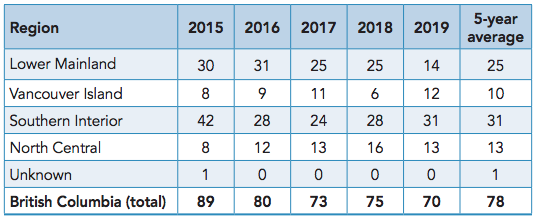
Source: B.C. Police Traffic Accident System (TAS)
* Distraction: Includes use of communication/video equipment, driver inattentive and driver internal/external distraction.
In approximately 41 percent of the commercial driver crashes that occurred between 2011 and 2015, driver inattention was the contributing factor, according to B.C. police-generated Traffic Accident System reports. Distraction is a choice. It’s up to you to know your own distraction vulnerabilities, triggers and temptations and set boundaries or create habits to manage these.
Keep your attention where it belongs: On the tasks and functions related to driving. If you decide to get take-out meals, ask yourself whether you can safely drive and eat while keeping your attention on the road and both hands on the wheel where they belong.
Cell phone use in B.C.
British Columbia, like many jurisdictions, has strict rules about when and how you can use electronic devices while driving:
• A driver must not hold, operate, communicate or watch the screen of a hand-held electronic communication device.
• A driver must not send or receive text messages or email on any type of electronic device.
• A driver must not hold, operate, communicate or watch the screen of a hand-held electronic computing device, one of the purposes of which is to process or compute data.
A person may use an electronic device in a hands-free telephone function while driving if:
• The electronic device, as well as any part or extension of it, is not held or operated by hand
• It is voice-activated or requires only one touch in order to initiate, accept or end a call
• If the device includes an earpiece, that earpiece can be worn in one ear only and must be placed in the ear prior to driving
• The electronic device is securely fixed to the vehicle or worn securely on the person’s body, and is within easy reach of the driver’s seat
• The device is installed in a manner that does not obstruct the driver’s view of the front or sides of the motor vehicle or interfere with the safety or operating equipment of the motor vehicle
Fines for distracted driving
According to data from ICBC, between 2010 and 2016 police handed out more than 300,000 tickets for distracted driving.
In B.C., the fine for a distracted driving violation ticket is $368, along with 4 driver penalty points that will be applied to a driver’s record. On a first infraction, these points will also result in a driver paying a further $252 ICBC Driver Penalty Point premium, for a total of $620 for a first infraction.
The distracted driving laws apply to all motor vehicles as defined in the Motor Vehicle Act and distractions are not limited to the use of cell phones, but include activities such as:
• Reading printed materials
• Writing or sketching
• Personal grooming (brushing teeth, putting on makeup or shaving)
• Using electronic devices such as laptop computers or cameras
• Entertainment displays and programming portable audio players
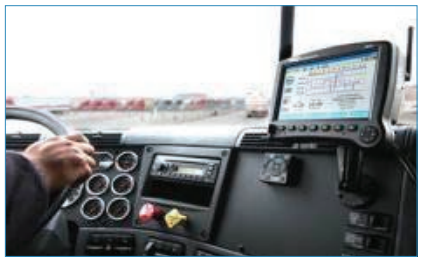
The use of two-way radios is permitted for commercial drivers provided the microphone is within easy reach of the driver, and is attached to the vehicle or worn on the body. GPS navigation units can also be displayed, but the unit must be affixed to the vehicle and programmed before you begin driving, or be voice activated. Commercial drivers are also permitted to have the following screen displayed:
There’s a good reason why truck drivers are scrutinized when it comes to drugs and alcohol. The stakes are high for truck drivers. There’s more weight rolling down the road, potentially hazardous material in the trailer and far more hours spent behind the wheel.
There are penalties under B.C. law and under the Criminal Code of Canada. More immediate and severe penalties apply if you drive with a certain amount of alcohol or drugs in your system or you refuse to provide a bodily substance or breath sample. Penalties also become more severe for repeat offences.
Alcohol-affected and drug-affected driving are a leading cause of death on the roads. Police are trained to recognize the effects of alcohol and drugs on drivers. They have the discretion under B.C. law to serve driving prohibitions or driver’s licence suspensions in order to remove alcohol-affected and drug affected drivers from the road.
Note: You may be prohibited if a police officer considers your ability to drive to be affected by alcohol or drugs. You don’t have to have a blood alcohol content (BAC) level equal to or exceeding 80 mg of alcohol per 100 mL of blood, or a blood drug content (BDC) equal to or exceeding two nanograms or more of THC per mL of blood.
Criminal Code penalties
If you’re convicted of a Criminal Code offence for impaired driving due to alcohol or drugs, you could face some very serious penalties, including a lifetime driving prohibition and time in jail. The following chart provides a sample of some of the penalties you could face if you are convicted of an offence involving drugs or alcohol.
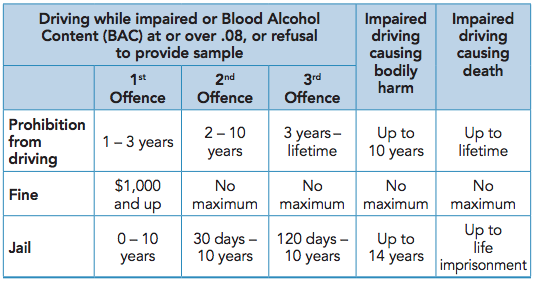
Note: the minimum fine for failing or refusing to provide a sample is $2000.
Other costs of impaired driving
Besides these penalties, there are other costs involved if you are caught driving while impaired:
Money — If you’re convicted of impaired driving and you cause a crash, your insurance claim may be denied, including claims for damage that you might cause to your vehicle, or to other people or property. You could be responsible for paying these costs. As well, your insurance rates will increase and you’ll receive a driver penalty bill.
Vehicle impoundment — If you receive an immediate roadside prohibition for having a BAC of 50 mg of alcohol per 100 mL of blood, police can immediately impound your vehicle for three, seven or 30 days, depending on whether it’s your first, second or third infraction (in the last five years). If you register a BAC of 80 mg of alcohol per 100 mL of blood, police must impound your vehicle for 30 days, even for a first offence. The owner is then required to pay the vehicle towing and storage fees to get their vehicle back.
It’s important for vehicle owners to understand that they are responsible for making sure that only licensed drivers use their vehicles. For example, if an employer allows a prohibited or unlicensed driver to use a company vehicle, the vehicle could be impounded.
Job — An impaired driving conviction could prevent you from obtaining or holding certain jobs.
Travel — An impaired driving conviction could create problems for you when travelling to certain countries, including the United States and Mexico.
Effects of alcohol
Alcohol goes directly into the bloodstream and is carried to the brain. After passing through the brain, a small percentage is removed in urine, perspiration and by breathing, while the rest is carried to the liver. Typically, the liver can only process 10 mL (1/3 ounce) of alcohol per hour, which is considerably less than the alcohol in a standard drink. This is a fixed rate, so only time, not black coffee or a cold shower, will sober you up.
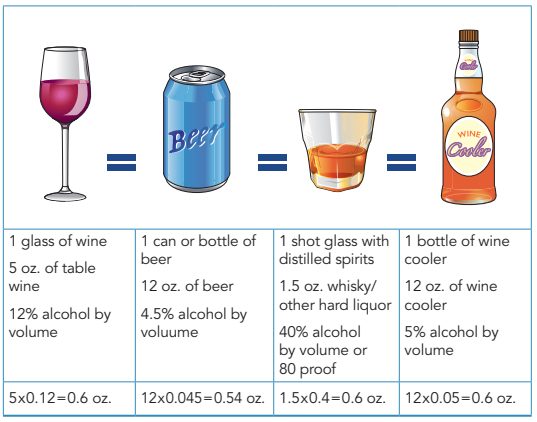
All of the following drinks contain the same amount of alcohol:
• 1 bottle (12 oz.) of regular alcohol content beer (5 percent)
• 150 mL (5 oz.) table wine
• 90 mL (3 oz.) fortified wine (port or sherry)
• 30 – 45 mL (1 – 1/2 oz.) hard liquor (rye, rum or vodka for example)
Alcohol equivalence
Alcohol and your ability to drive
Alcohol in any amount will affect your ability to drive. Alcohol depresses the central nervous system which slows down brain activity. Judgment, motor skills, vision and short-term memory are also impaired by the consumption of alcohol. Many employers in Canada forbid employees from driving within 12 hours of consuming any alcohol.
It’s important to understand blood alcohol content (BAC) and its impact on driving at various levels. As the concentration of alcohol in the bloodstream increases, the body loses more and more of the functions required to drive safely
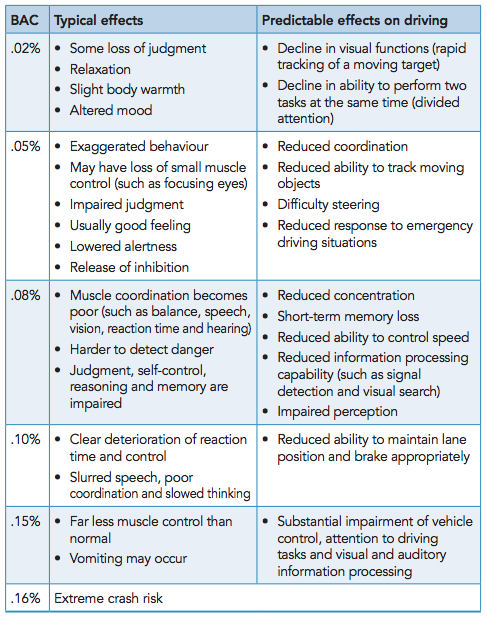
This guide is based on averages and is not for legal use. Information is from the Centre for Disease Control and Prevention.
The increased likelihood of a crash begins long before drivers feel drunk or are severely impaired.

The parts of the brain affected when consuming alcohol and other substances are the same brain functions drivers rely on to make decisions while driving. Drugs and alcohol also affect the same brain functions required to make rational, safe decisions about refraining from driving after drinking or taking drugs.
When you stop driving for the night, it can be tempting to have a few drinks or take drugs. Instead, try watching movies, getting some exercise or reading a book; anything that takes your mind off becoming impaired will help. Look for healthy and safe alternatives.
Finally, never keep drugs, beer, wine or liquor in your cab. The temptation can be too great for some when it’s nearby. Transporting a narcotic in a commercial vehicle can also cause problems. For example, a truck driver who purchases marijuana — even legally — can be ticketed for transporting even an unopened package in their commercial motor vehicle. Consequences can be even more serious if crossing into the United States. Transporting alcohol other than as cargo is also prohibited in the U.S.
Commonly used drugs
Commonly used drugs include alcohol, cocaine, club drugs, heroin, inhalants, LSD, cannabis, methamphetamine, ecstasy, nicotine, PCP, prescription drugs and steroids.
Drugs should never be mixed with alcohol because of the possible synergistic effects (chemical reaction between two or more drugs that may produce a reaction greater than either drug alone). These effects not only reduce the driver’s ability to operate a vehicle but could cause serious health problems or even death. The key factor to remember is that any change a drug produces may also cause a lessening of driving ability.
Drugs and alcohol impair:
• Judgment
• Concentration
• Comprehension
• Perception
• Coordination
• Inhibitions
• Memory
• Vision
• Hearing
• Speech
• Mood
• Reaction time
• Tracking
• Body functions
Cannabis
After alcohol, cannabis is the drug most often used by drivers involved in crashes. Because more research data is available on cannabis than other drugs, specific information is provided for how this drug can affect driving.
Effects include:
• Loss of tracking ability: The ability to maintain the vehicle in a given line.
• Distance judgment: Following too closely can cause problems.
• Vigilance: Not remaining attentive to driving can cause a driver to follow too closely or drift into another lane.
• Divided attention: Driving is a task which requires constant but changing attention to traffic, roadway and weather conditions, passengers, gauges and so on.
Mixing alcohol and drugs: a synergistic effect
If a person already has another drug (including a prescription drug) in their system, the impairing effect on the brain is far greater than the impairing effect of the alcohol and the impairing effect of the other drugs combined; it is not a simple adding together of impairment, but rather a multiplier effect! This has an unpredictable effect on driving and can be deadly.
Drug testing
Many employers implement and enforce a drug and alcohol policy, including random drug and alcohol testing of their employees. Employers can also require a driver to submit to an alcohol or drug test if they have reason to be concerned.
Many transport drivers are already required to do drug and alcohol testing because they drive into the United States. Within the U.S., all transport drivers are required to be a part of a drug and alcohol testing program and those Canadian drivers who go into the U.S. must also follow these regulations. In Canada, testing done under the American regulations is referred to as Department of Transport (DOT) testing.
Did you know that drivers can test positive even when a narcotic seems to be no longer effective in their system? Cannabis for example, stays in the bloodstream and will test positive even three weeks post-use.
Truck drivers may be at risk for workplace harassment or violence because of the environment they work in, but everyone has a right to work in an environment where racism, harassment, sexism and bullying do not exist. In fact, regulations require employers and workers to provide a workplace where everyone feels secure and free of unnecessary conflict.
Bullying and harassment include any inappropriate conduct or comment towards a worker that the person knew, or should have known, would cause that worker to be humiliated or intimidated. This can include verbal aggression, vandalizing, spreading malicious rumours, personal attacks, threatening gestures or harmful initiation practices.
Cyber-bullying is another form of bullying and harassment. It can include sending harassing emails, instant messages or text messages, or posting humiliating or intimidating information on social media or websites to or about an individual.
Bullying can come from many sources including other drivers, supervisors and employers, or from external sources such as customers, members of the public or drivers from other organizations.
The ugly threat of workplace violence also can’t be ignored. When assessing the potential for violence while on the job, be extra vigilant if your work includes any of the following:
• Driving or parking in or near high crime areas
• Driving or parking in isolated or remote areas
• Driving or parking at night
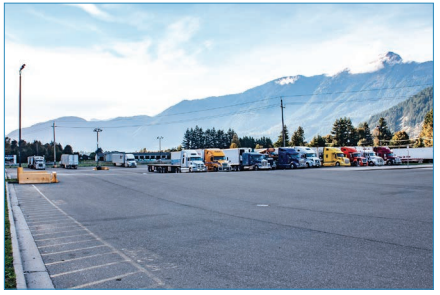
Tips for staying safe
• If you’re running a new route, ask dispatch and senior drivers for advice on where to fuel, eat and park along the route.
• If you’ll be sleeping in your truck, plan your stops as much as possible as part of your trip plan.
• Choose safe areas to park such as truck stops and rest areas and ensure they are well lit.
• Check ahead with your customer as you may be able to safely park at their site overnight to unload in the morning.
• If your load delivers to a part of a city noted for a high crime rate, stay elsewhere and drive to the location just in time for your unloading appointment.
• Highway scales are a good place to park. In B.C., all scales have free internet service so you can check road conditions and more on DriveBC.
• Trust your instincts. If it doesn’t feel safe, then it likely isn’t.
Road rage
As motorists, we have almost all found ourselves in unpleasant situations involving abusive gestures or language from another driver who takes issue with how we drive. Anxiety and frustration can quickly provoke an aggressive or careless driver, who tailgates, speeds or fails to yield.
Road rage is an act of violence that all drivers need to be aware of and try to avoid. Most road rage incidents start off as a simple encounter between two drivers. An initial encounter can soon escalate and lead to more aggressive and dangerous behaviour. Anyone who drives for work needs to control aggressive driving behaviour and also needs to know how to prevent incidents of road rage against them.
Here are some tips to limit driving frustration and the potential for aggressive acts:
• Leave yourself enough time to get to your destination.
• Plan your route in advance. Some of the most erratic and inconsiderate driving occurs when motorists are lost.
• Avoid the temptation to speed which puts stress on you and the drivers around you.
• Drive in a courteous and considerate manner.
• Give an apologetic wave if you make a mistake.
• Don’t take traffic problems personally.
• Avoid eye contact with an aggressive driver.
• Don’t make obscene gestures, which can escalate the incident.
• Don’t tailgate.
• Use your horn sparingly (even a polite honk can be misinterpreted).
• Don’t block the passing lane (some drivers may think you’re passive aggressively holding them back).
• Create a relaxing and comfortable environment in your truck that will help you stay calm.
• Practice deep breathing and muscle relaxation techniques.
• Report aggressive drivers to the police.
• If you are being physically threatened, stay in the truck and secure the doors and call the police. Use your horn and lights to attract attention.
• Don’t overreact to every mistake made by other drivers on the roadway. Everyone makes mistakes. Downplay the event and it will fade away.
• Remember: We all need to go home at the end of the day.
Aggression management
Aggression management is emotion and reaction management. Like any skill, it comes easier to some individuals than others. What other people do is not something you can control, but your response and behaviour is. There are a number of anger-management strategies like counting to three and taking a deep breath. You’ll have to decide what works best for you based on the situation. Your conduct reflects not just on you but on your colleagues, and the company you work for.
A negative emotional state may result in lowering your ability to focus and detract your attention. This makes you less prepared to cope well with the task of driving. A useful method of dealing with emotional situations as they arise is to use the Stop, Drop and Process technique (SDP).
This is a method that can help you better manage your emotions when things get difficult. You can practice it if you feel like your emotions are out of control and no longer feel calm and collected. It’s especially important to use SDP if you’re worried that you may act in a way you will regret. With repeated practice, SDP can become a healthy habit for dealing with emotionally challenging situations in all areas of life, not just driving.
STOP: Stop and think before you act
If you’re in a situation where your emotions are building to a point where you may have trouble maintaining control, stop! Sometimes, when we’re in a highly emotional state, we act automatically, without considering the consequences or the best way to approach the situation. Learn how to identify the signs that you may be getting to this point:
• Take note of the physical feelings and thoughts that are associated with this emotional state, such as rapid breathing and tension in the jaw, neck or face.
• When these sensations or thoughts arise, this is a cue to stop and become conscious of your emotions and consider your response more carefully. Then you are ready to start working on the next steps.
DROP: Reduce the intensity of your emotions
When we’re in an extremely emotional state, it becomes very difficult to think clearly and rationally. When the mind’s response is triggered, we want to act quickly to resolve the situation or run away from it, and neither response is likely to be appropriate or effective for dealing with the situation. Before you begin to think through a situation, you need to calm down and reduce the emotional intensity:
• Engage in a repetitive action like counting or deep breaths. Any repetitive action can help you focus and calm your attention.
• Think of something that triggers a positive feeling.
• Breathe deeply. Concentrate on your abdomen and breathe in through your nose while counting to five, hold it briefly and breathe out for a five count, focusing on the feelings of the air and tension leaving your body. Repeat for a few minutes.
Now you’re ready to more rationally consider the situation and your response.
PROCESS: Think about it
Begin with identifying the emotions you’re feeling. To manage them, you must first be able to accurately identify them. Are you angry? Overwhelmed? Afraid? Ashamed? Frustrated? Annoyed? Uncomfortable? Helpless? Overconfident?
Identify the source of these feelings: Why are you feeling the way you are?
What underlying issue may need to be addressed?
Finally, decide the best way to proceed. Once you work through the Stop, Drop and Process steps, you will be better prepared to find a healthy and effective way to deal with the challenges you face on the road. You’ll be glad that you stopped yourself from acting impulsively.